Finding reliable information about state autism programs can feel like searching for a needle in a haystack—especially when you’re juggling appointments, school meetings, and the day‑to‑day demands of life. This article will walk you through the most effective paths to locate the resources you need, from state health departments to local community hubs. By the end, you’ll have a clear map and a few handy shortcuts to keep your search smooth and stress‑free.
Understanding State Autism Programs
What Are State Autism Programs?
State autism programs are coordinated services and supports offered by state governments to help individuals with autism spectrum disorder (ASD) and their families. They typically include early intervention, special education services, behavioral therapy, and community integration initiatives. Think of them as a safety net that catches families before they fall into gaps in care.
Why They Matter
Without state‑level coordination, families often face fragmented services—one agency for early intervention, another for school services, a third for medical care. State programs streamline access, reduce paperwork, and ensure that eligibility criteria are clear and consistent across the board. As a result, families can focus more on support and less on paperwork.
The First Stop: State Department of Health
How to Locate the Website
Most states host a dedicated portal on their Department of Health website. A quick Google search for “[Your State] Department of Health autism services” usually lands you on the right page. Look for a section titled “Developmental Disabilities” or “Special Health Services.”
Key Sections to Explore
- Eligibility Criteria – Understand who qualifies for services. Service Catalog – Browse available programs such as Applied Behavior Analysis (ABA) or occupational therapy. Contact Information – Find phone numbers, email addresses, and office locations for direct inquiries.
*Tip:* Use the site’s search bar and type “autism” to pull up all relevant pages in one go.
State Agencies Dedicated to Developmental Disabilities
Centers for Developmental Disabilities
Many states operate a Center for Developmental Disabilities (CDD). These centers often manage early intervention and school‑age services. Their staff can guide you through the application process and help you navigate the funding landscape.
State Autism Resource Centers
Some states have specialized Autism Resource Centers that focus exclusively on ASD. They provide:
- Parent training workshops Peer support groups Information on local service providers
*Example:* In California, the “Autism Resource Center” offers a free online database of licensed therapists across the state.
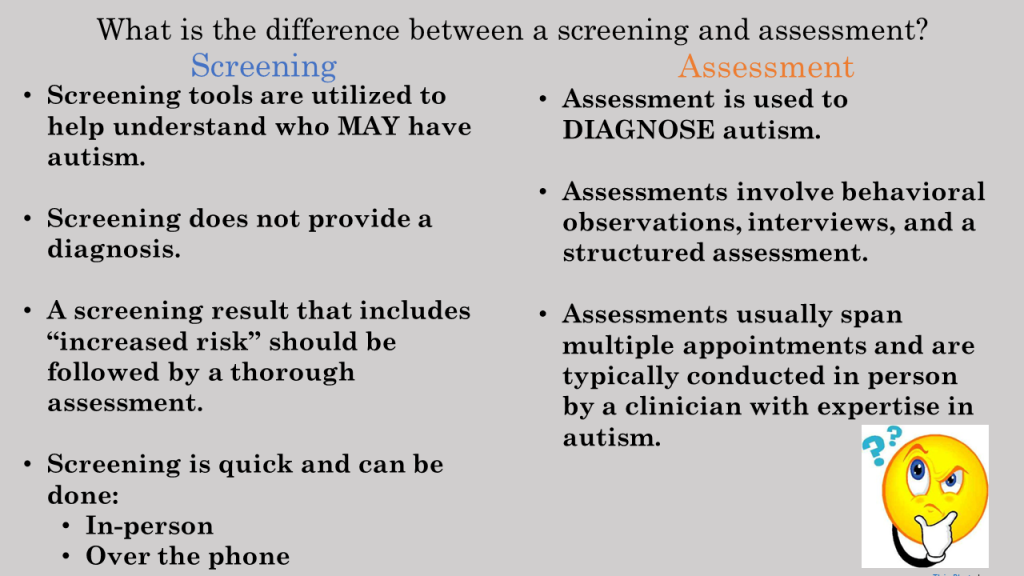
Navigating Federal Resources
Autism Speaks State Directory
Autism Speaks signs and symptoms of autism in girls maintains a comprehensive state directory that lists state agencies, programs, and local resources. Visit their website, select your state, and you’ll see a categorized list of services—perfect for a quick snapshot.
CDC Autism Data Tracker
The Centers for Disease Control and Prevention (CDC) offers a data tracker that includes state‑level statistics on autism prevalence, service usage, and funding. While not a direct service portal, it gives context on how your state is performing relative to national averages.
Local Community Resources
County Health Departments
County health departments often run community‑based programs that supplement state services. They may offer free screening events, local support groups, and even transportation assistance for therapy appointments.
School District Services
School districts are a goldmine for information on special education services. Contact the district’s Special Education Coordinator to learn about Individualized Education Plans (IEPs), resource rooms, and extracurricular accommodations.
*Rhetorical Question:* “Can a single school district’s resources cover all your needs?” The answer is usually no, but they’re a vital piece of the puzzle.
Practical Tips for Efficient Research
Use Search Operators
When searching online, combine keywords with operators to narrow results. For instance:
- "state autism programs" site:.gov "autism services" inurl:state
Bookmark and Organize
Create a dedicated folder in your browser for autism resources. Label each bookmark clearly—e.g., “CA CDD Early Intervention” or “NY Autism Speaks State Directory.” This keeps your research organized and saves time on future visits.
Contact Information
Keep a running list of phone numbers and email addresses. When you call, have your child’s birth certificate, insurance card, and any existing medical records handy. This speeds up the intake process.
Putting It All Together
Creating a Personal Resource Map
Visualize your resources on a simple diagram: state agencies on one side, local providers on the other, and a line connecting them to show referral pathways. A paper map or a digital mind‑map tool can make this process tangible.
Staying Updated
State programs evolve—new funding, policy changes, or program expansions. Subscribe to newsletters from your state’s Department of Health and local autism advocacy groups. A quick email each month can keep you in the loop without daily digging.
Charting Your Course Toward Support
“Information is a garden; we must tend it with patience and persistence.” – Anonymous
When you ask, “where do I find information about state autism programs,” the answer is a multi‑layered journey: start with the state health department, dive into specialized agencies, tap into federal directories, and finally, connect with local community resources. Each layer adds clarity and ensures you’re not missing a vital service.
* Take the next step today:* pick one of the resources above, visit the website, and download the program guide. The more informed you are, the more empowered you’ll feel in navigating the complex landscape of autism support.